
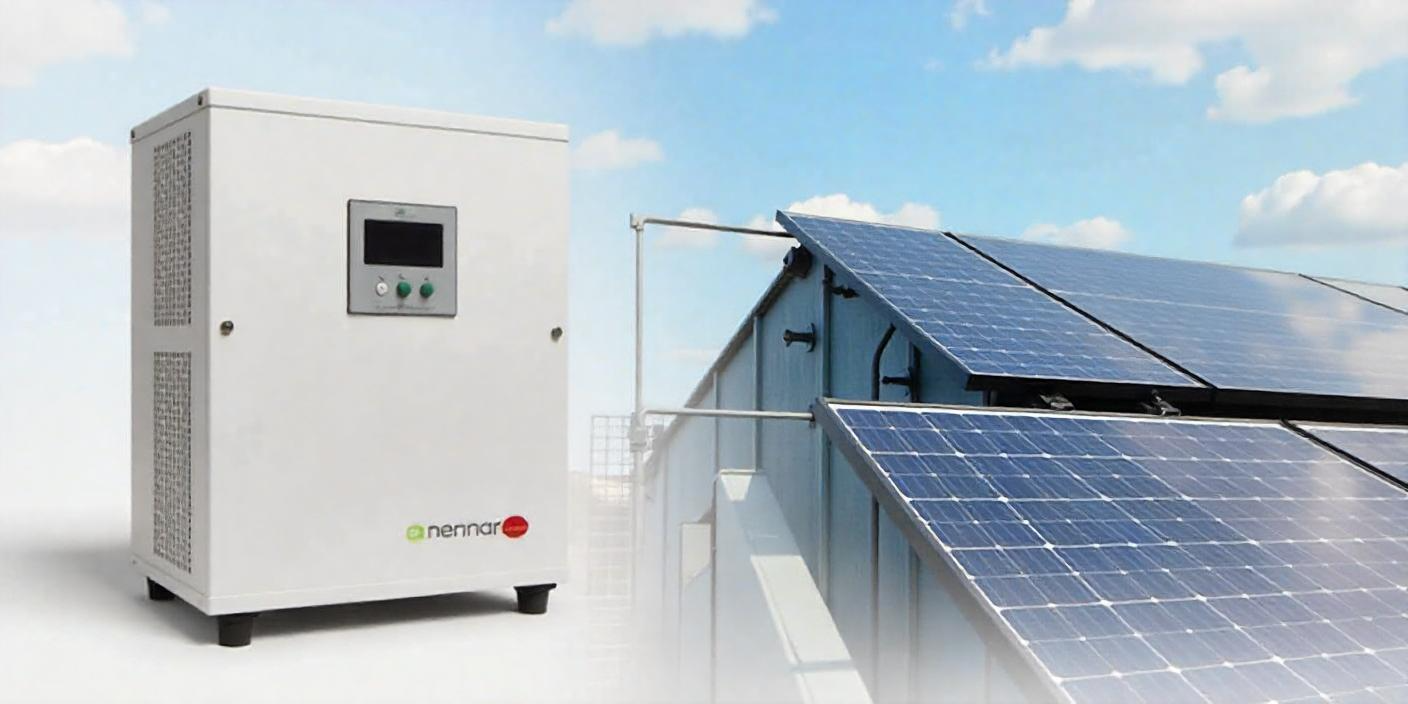
Off-Grid Inverters: Powering Independence
What Off-Grid Inverters Are:
- Standalone Systems:
- Off-grid inverters are designed for solar power systems that operate independently of the public electricity grid. This makes them essential for remote locations, cabins, and areas where grid access is unreliable or unavailable.
- Battery-Based Power:
- These systems rely on battery banks to store the solar energy generated by the panels. The off-grid inverter then draws power from these batteries to provide AC electricity.
How Off-Grid Inverters Work:
- DC to AC Conversion:
- Like all solar inverters, off-grid inverters convert the direct current (DC) electricity produced by solar panels into alternating current (AC) electricity, which is used to power most household and electronic devices.
- Battery Management:
- Off-grid inverters work in conjunction with a charge controller. The charge controller regulates the flow of electricity from the solar panels to the batteries, preventing overcharging and ensuring battery longevity.
- The inverter then pulls the DC current from the batteries, and converts it to AC.
- Autonomous Operation:
- Off-grid inverters are designed to operate independently. They do not require a connection to the utility grid.
- Power Management:
- Because off grid systems rely on batteries, the inverter plays a role in power management. It will monitor battery levels, and will often have low voltage disconnect features to protect the batteries.
Key Considerations:
- Battery Storage:
- Off-grid systems require a significant battery bank to store sufficient energy for periods of low sunlight or high energy demand.
- System Sizing:
- Careful planning and sizing are essential to ensure that the battery bank and inverter can meet the energy needs of the user.
- Maintenance:
- Battery maintenance is crucial for the reliable operation of off-grid systems.
In summary:
Off-grid inverters provide a reliable source of electricity for locations that are not connected to the grid, offering energy independence and resilience.

