
Choosing the Right Solar Panel: A Guide to Different Types
There are several types of solar panels available, each with its own set of advantages and disadvantages. Here’s a breakdown of the most common types:
1. Monocrystalline Solar Panels
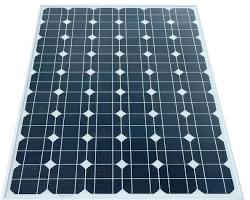
- Appearance: These panels are known for their sleek, all-black appearance.
- Efficiency: They are the most efficient type, converting sunlight into electricity at a higher rate than other types.
- Pros:
- Highest efficiency, meaning they require less space to generate the same amount of power.
- Longest lifespan, often coming with warranties of 25 years or more.
- Perform well in low-light conditions.
- Cons:
- Most expensive type of solar panel.
- Can be less efficient in high temperatures compared to some other types.
2. Polycrystalline Solar Panels
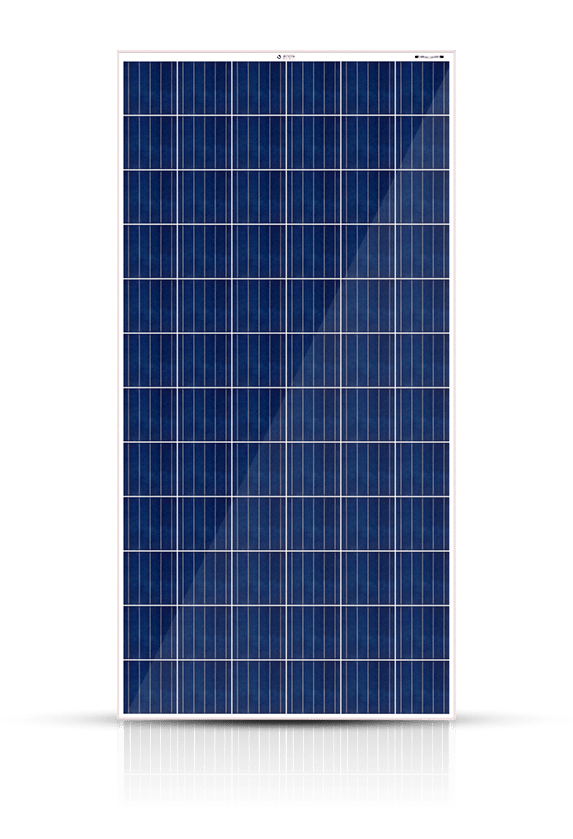
- Appearance: These panels have a characteristic blue-tinted appearance due to their manufacturing process.
- Efficiency: They are slightly less efficient than monocrystalline panels but still a popular choice.
- Pros:
- More affordable than monocrystalline panels.
- Slightly better performance in high temperatures than monocrystalline.
- Cons:
- Lower efficiency, requiring slightly more space to generate the same amount of power.
- Slightly shorter lifespan compared to monocrystalline panels.
3. Thin-Film Solar Panels
- Appearance: These panels are known for their flexibility and can come in various colors or even be transparent.
- Efficiency: Generally the least efficient type, but they offer unique advantages.
- Pros:
- Most affordable type of solar panel.
- Can be flexible, making them suitable for curved surfaces.
- Perform better in low-light conditions and high temperatures compared to some crystalline silicon panels.
- Cons:
- Lowest efficiency, requiring significantly more space to generate the same amount of power.
- Shorter lifespan compared to crystalline silicon panels.
4. PERC (Passivated Emitter and Rear Contact) Panels:
- Appearance: PERC technology can be applied to both monocrystalline and polycrystalline panels. They don’t necessarily have a distinct visual difference.
- Efficiency: PERC technology increases the efficiency of both monocrystalline and polycrystalline panels by adding a layer to the back of the panel that reflects light back into the silicon, allowing it to capture more sunlight.
- Pros:
- Increased efficiency compared to standard monocrystalline and polycrystalline panels.
- Can be more cost-effective than standard monocrystalline panels.
- Cons:
- The technology is newer, so long-term reliability data isn’t as extensive as for older technologies.
5. Bifacial Solar Panels:
- Appearance: Bifacial panels are designed to generate electricity from both the front and the back.
- Efficiency: These panels can offer higher energy production than traditional panels, as they utilize reflected light from the surface behind them.
- Pros:
- Higher energy production, especially when installed on reflective surfaces.
- Can be more efficient in certain installations.
- Cons:
- More expensive than traditional panels.
- Require specific mounting and installation to maximize their benefits
Choosing the Right Panel
The best type of solar panel for you depends on factors like your budget, energy needs, available space, and aesthetic preferences. Consulting with a solar installer can help you make the best decision.

