
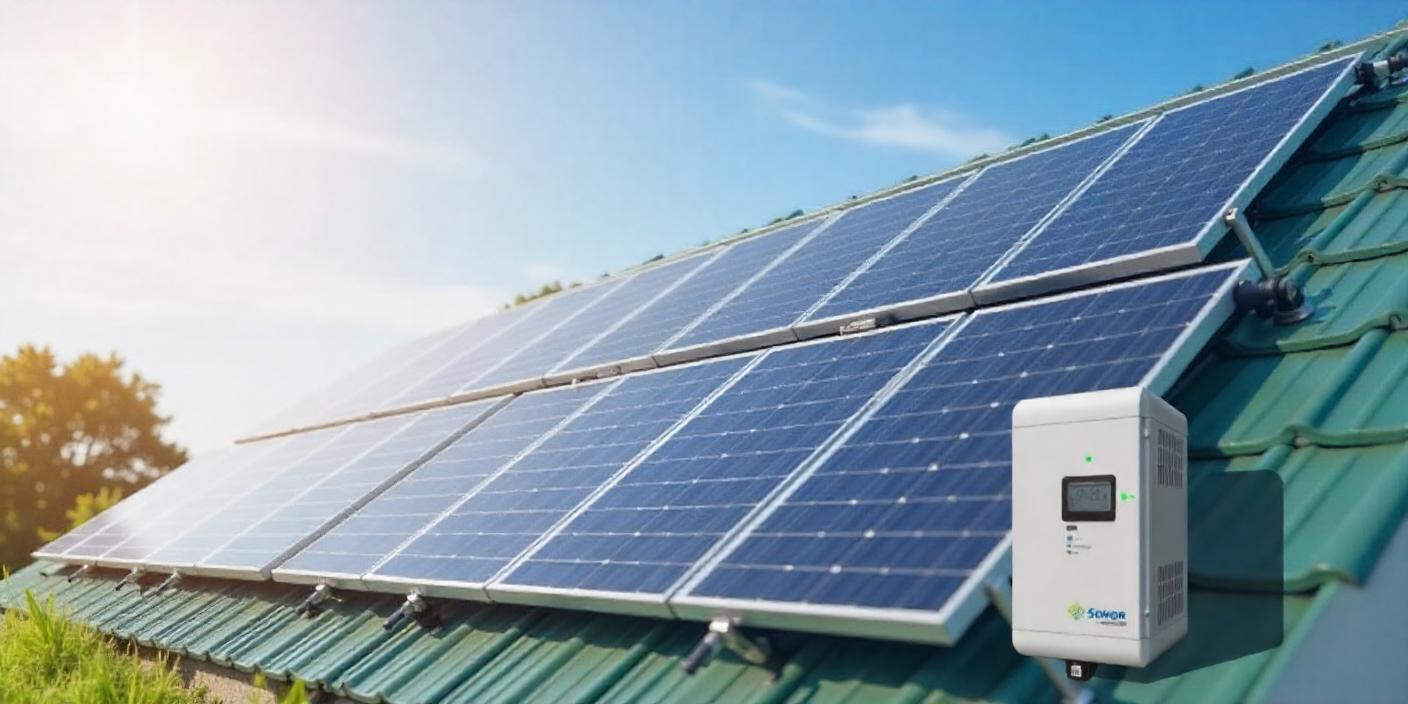
On-Grid Inverters: Connecting to the Grid
On-grid inverters are a crucial component of solar power systems that are connected to the public electricity grid. Here’s a breakdown of what they are and how they function:
What On-Grid Inverters Are:
- Grid-Tied Systems:
- These inverters are designed to work in conjunction with the existing electrical grid. This means your solar system is directly connected to the utility company’s power lines.
- DC to AC Conversion:
- Solar panels generate direct current (DC) electricity, while most homes and businesses use alternating current (AC) electricity. On-grid inverters convert the DC power from your solar panels into usable AC power.
How On-Grid Inverters Work:
- DC to AC Conversion:
- The inverter takes the DC electricity produced by your solar panels and transforms it into AC electricity.
- Synchronization with the Grid:
- A critical function of on-grid inverters is to synchronize the AC electricity they produce with the frequency and voltage of the utility grid. This ensures that the electricity from your solar panels seamlessly integrates with the grid’s power.
- Feeding Excess Power:
- When your solar system generates more electricity than your home or business is using, the on-grid inverter allows the surplus power to be fed back into the utility grid. This process is often part of “net metering” programs, where you can receive credits on your electricity bill for the power you contribute to the grid.
- Safety Features:
- On-grid inverters have built-in safety features, such as “anti-islanding” protection. This feature automatically shuts down the inverter during a power outage. This is a very important safety feature, that protects utility workers that may be working on power lines.
- Grid Dependence:
- On-grid inverters require a connection to the utility grid to operate. They cannot function independently during a power outage.
Key Advantages:
- Cost-Effective:
- On-grid systems are generally less expensive than off-grid systems because they don’t require costly battery storage.
- Net Metering Benefits:
- You can potentially reduce your electricity bills by feeding excess power back to the grid.
- Simplified Installation:
- On-grid systems are typically easier to install than off-grid systems.
In essence, on-grid inverters enable the efficient and safe integration of solar power with the existing electrical grid, making solar energy a viable and cost-effective option for many homes and businesses. Sources and related content

